Can Dogs Eat Raw Chicken?
❌ AVMA and FDA advise against feeding raw chicken to dogs
AVMA and FDA both advise against feeding raw chicken to dogs. Raw poultry frequently carries Salmonella, Campylobacter, E. coli, and Listeria — bacteria that can make your dog sick and can spread from your dog to the people in your home, especially young children, older adults, pregnant women, and anyone immunocompromised.
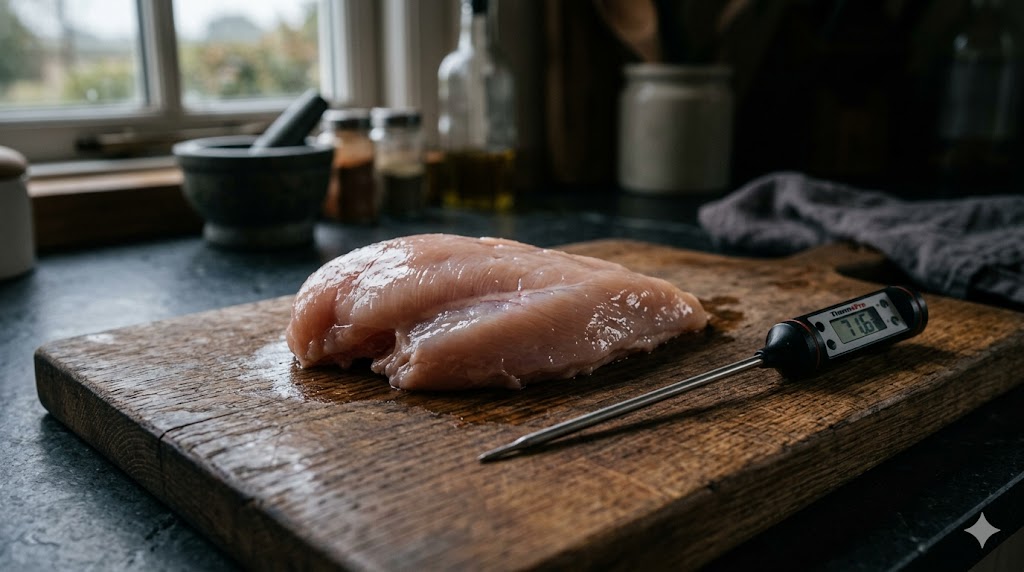
Why AVMA and FDA discourage it
Bacterial contamination of the meat
Raw chicken commonly carries the same bacteria that make undercooked poultry unsafe for people: Salmonella, Campylobacter, E. coli, and Listeria. In a two-year FDA study of pet foods, raw pet food was far more likely to be contaminated with disease-causing bacteria than any other category tested.
- AVMA lists the pathogens raw animal-source protein may carry.
- FDA's two-year study found raw pet food was more contaminated than other types tested.
- AKC links clinical salmonella illness in dogs directly to raw-meat feeding.
Risk to you and your family
This is the part most owners don't realize: even a dog that seems totally fine after eating raw chicken can shed those bacteria in their saliva and stool for days. People in the house — especially kids, older adults, pregnant women, and anyone whose immune system is compromised — can get infected through normal contact (touching the dog, handling the bowl, kisses, cleaning up). FDA singles out raw-fed households as a higher-risk group.
- FDA: owners feeding a raw diet have a higher infection risk themselves.
- FDA: bacteria spread from raw food to your mouth via contaminated hands and surfaces.
- AVMA names the vulnerable groups inside the household.
- AKC: even symptom-free dogs shed bacteria to people via stool and saliva.
Raw chicken bones
If the raw chicken includes bones, there's an additional risk on top of the bacterial one: raw bones can splinter, get stuck in the throat, or perforate the digestive tract. (Cooked chicken bones are even more brittle and dangerous — we'll cover the bones question in more depth on a dedicated page.)
- PetMD: bones in raw meat can choke a dog or block the intestines.
Cooked chicken — the safe way to share chicken with your dog
Cooking is what eliminates the bacterial risk. Plain, boneless, unseasoned chicken cooked through to 165 °F (74 °C) is a well-tolerated treat for most dogs. We've got a separate page that walks through how much your dog can have (worked out from their weight) and how to prepare it.
- FDA: cooking eliminates the relevant bacteria.
- PetMD's recommended alternative.
If your dog ate raw chicken — what to watch for
Watch for these symptoms over the next 1–3 days:
Diarrhea, Bloody stool, Vomiting, Fatigue, Fever, Loss of appetite
Most healthy adult dogs that grab a piece of raw chicken off the counter end up fine, but watch for the symptoms above for 24–72 hours. Call your vet sooner — not later — if your dog is a puppy, a senior, pregnant, or has any immune condition; if symptoms are severe; or if there's blood involved.
- Don't kiss your dog around the mouth or let them lick your face — especially right after they've eaten the raw chicken, because that's when bacteria spread most.
- Wash your hands after touching the dog or the dog's bowl. If the dog managed to lick your face, wash your face too.
💡 What next?
Common questions
- Is it okay for dogs to eat raw chicken?
- No — both AVMA (the US veterinary association) and FDA advise against feeding raw chicken to dogs. The main risks are bacterial: Salmonella, Campylobacter, E. coli, and Listeria. These also threaten the people in your home, not just the dog.
- My dog just ate some raw chicken — should I panic?
- Most healthy adult dogs that get a single piece of raw chicken end up fine. Watch for diarrhea, bloody stool, vomiting, fatigue, fever, or loss of appetite over the next 1–3 days. Call your vet sooner if your dog is a puppy, a senior, pregnant, or immunocompromised — or if symptoms are severe. Wash your hands and the dog's bowl thoroughly; don't let the dog lick your face for the next day or two.
- Can dogs eat raw chicken bones?
- No. Raw chicken bones add a choking, intestinal blockage, and perforation risk on top of the bacterial one. (Cooked chicken bones are even more brittle and dangerous — never feed those either.)
- Raw chicken vs cooked chicken — what's the difference for dogs?
- Cooking to 165 °F (74 °C) kills the bacteria that make raw chicken risky. Plain, boneless, unseasoned cooked chicken is a well-tolerated treat for most dogs — see our cooked-chicken page for how much your dog can have.
- How should I prepare chicken safely for my dog?
- Cook plain chicken thoroughly to an internal 165 °F (74 °C). Skip the seasoning, oil, onion, and garlic; remove the bones; let it cool before serving. The full how-much-and-how on our cooked-chicken page.